

Mold develops when microscopic spores land on indoor surfaces and find three essential elements: uncontrolled moisture, an organic food source, and warmth. While airborne spores exist everywhere, they require active water intrusion—typically from plumbing leaks, high humidity, or poor ventilation—to multiply. Once these spores settle on organic building materials like wood, drywall, carpet, or even household dust, fungal colonization can begin within 24 to 48 hours. By understanding these biological triggers, property owners can control indoor environments and stop severe structural damage before it starts.
- Primary Causes of Mold: Biological and Environmental Factors
- Where Does Mold Grow in a House? High-Risk Zones
- Basement and Crawl Space Mold: Groundwater and Condensation
- Bathroom and Kitchen Mold: High Humidity and Plumbing Leaks
- Mold Behind Walls and Windows: Trapped Moisture and Condensation
- Attic Mold Causes: Roof Leaks and Poor Airflow
- When to Call a Professional Mold Remediation Company
- Frequently Asked Questions
- What health problems can mold cause in a home?
- How fast can mold grow after water damage?
- Can mold grow in air ducts or HVAC systems?
- What does mold smell like in a house?
- Can houseplants cause mold indoors?
Primary Causes of Mold: Biological and Environmental Factors
Indoor mold requires specific environmental conditions to thrive. Eliminating just one of these factors stops the reproductive cycle:
- Uncontrolled Moisture: Leaking roofs, broken pipes, and flooded basements provide the constant water supply mold needs.
- High Humidity: Indoor relative humidity levels above 60 percent create an ideal microclimate for spores to settle and grow.
- Poor Ventilation: Steam from showers or boiling water that cannot escape condenses on cooler indoor surfaces.
- Organic Food Sources: Fungi feed on carbon-based materials common in homes, including ceiling tiles, wallpaper, drywall paper, and wood framing.
- Warmth: Mold thrives in warmer temperatures, though it remains capable of growing in cooler, damp environments.
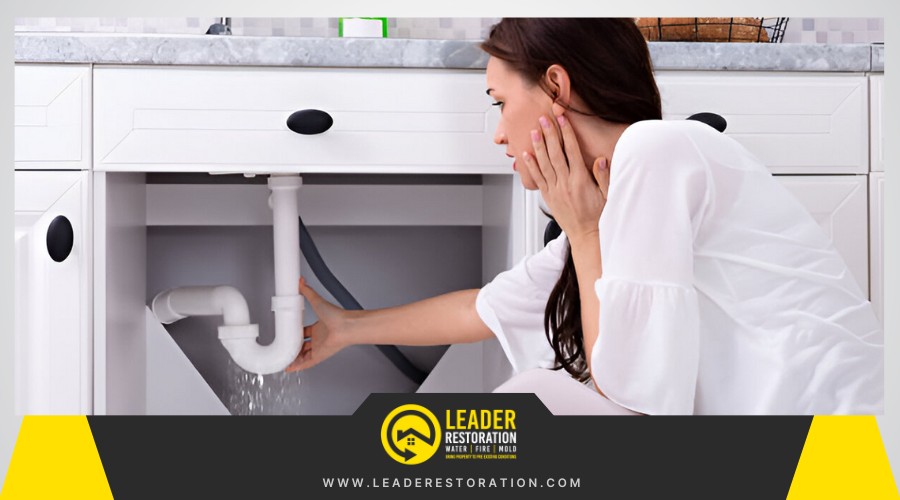
Where Does Mold Grow in a House? High-Risk Zones
Certain rooms and structural cavities present a higher risk for fungal growth due to trapped moisture and temperature fluctuations. We will examine these high-risk areas, identify their environmental triggers, and outline actionable prevention strategies.
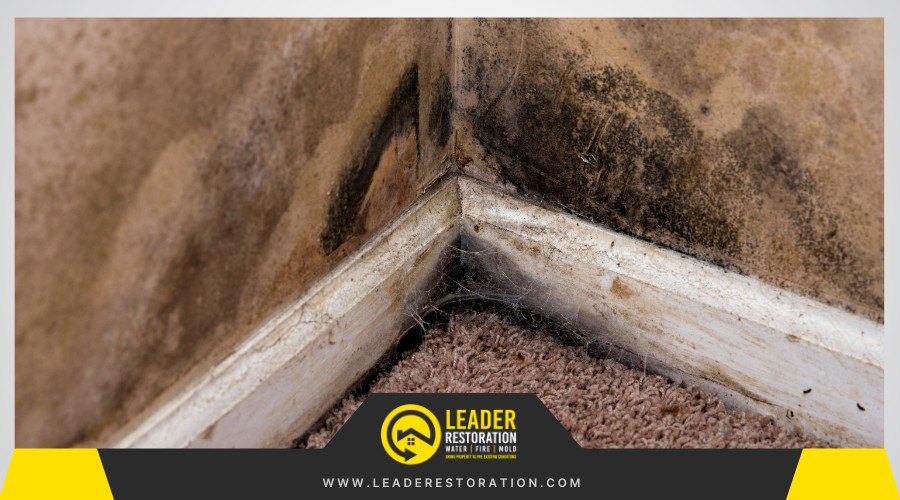
Basement and Crawl Space Mold: Groundwater and Condensation
Subterranean spaces suffer from high moisture due to groundwater intrusion, flooded floors, and poor air circulation. Bare concrete foundations easily seep water, creating a highly damp environment. If you suspect mold in your crawl space, swift action is necessary to prevent spores from rising into the living areas. Use these methods for prevention:
- Operate a dehumidifier to keep relative humidity below 60 percent.
- Install crawl space moisture control systems like vapor barriers.
- Seal foundation cracks to block groundwater intrusion.
Bathroom and Kitchen Mold: High Humidity and Plumbing Leaks
Bathrooms and kitchens introduce significant risks through active plumbing, steam from cooking, and hot showers. This heavy moisture condenses on cool tiles, window frames, and drywall. Hidden leaks beneath sinks supply the exact moisture content mold requires. To mitigate these risks, follow standard water damage restoration protocols by immediately addressing any water intrusion. Use these steps for prevention:
- Run the exhaust fan during and after showers or cooking.
- Inspect the plumbing under sinks regularly for slow leaks.
- Wipe down wet tiles, glass surfaces, and window frames daily.
Mold Behind Walls and Windows: Trapped Moisture and Condensation
Moisture often builds up in hidden structural cavities. Condensation forms when cold winter air meets warm indoor air at window frames and poorly insulated exterior walls. This trapped moisture slowly saturates the drywall and wood studs hidden inside the wall cavity. The U.S. Department of Energy (DOE) emphasizes that controlling hidden condensation is essential to maintain structural integrity and prevent fungal growth. Use these steps for prevention:
- Wipe away condensation on window glass and sills immediately.
- Ensure your home has adequate exterior insulation to prevent cold spots on walls.
- Monitor walls for peeling paint or bubbling wallpaper, which indicate hidden moisture.
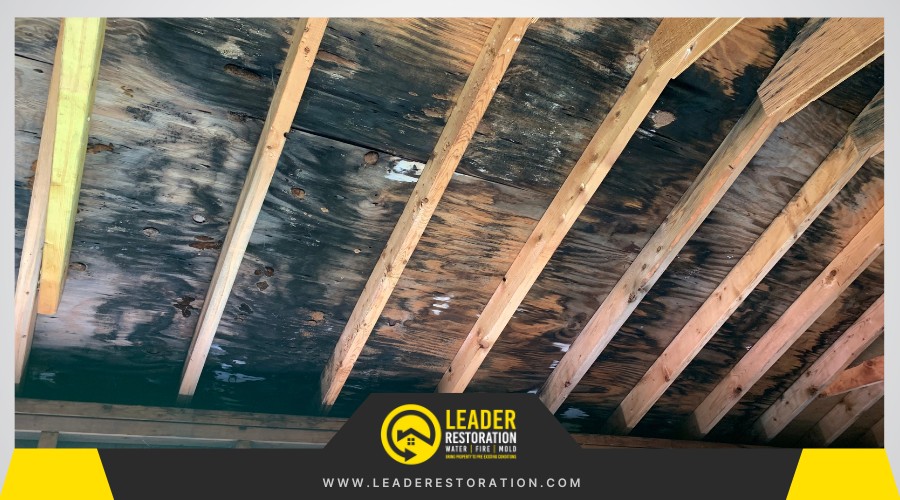
Attic Mold Causes: Roof Leaks and Poor Airflow
Compromised roofing materials allow rainwater to saturate attic insulation and wood sheathing. Furthermore, blocked soffit vents trap rising warm, moist air from the living spaces below. This thermal bypass leads to severe condensation on the roof decking. Use these steps for prevention:
- Inspect the roof and flashing for leaks at least once a year.
- Keep all soffit and ridge vents clear of insulation and debris.
- Install an attic fan to force hot, stagnant air out of the building.
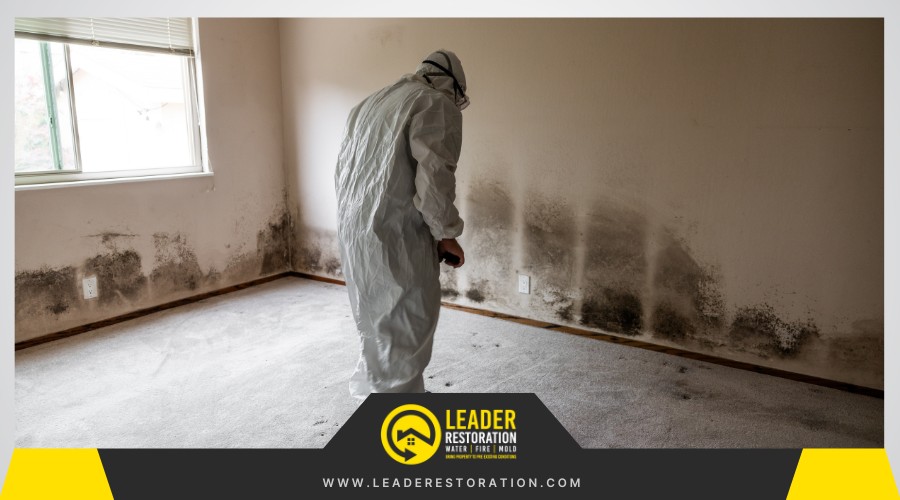
When to Call a Professional Mold Remediation Company
Surface cleaning proves ineffective when fungal networks penetrate deep into porous building materials or HVAC systems. Property owners require professional intervention when an infestation covers more than 10 contiguous square feet or if standard moisture control fails to stop the spread. According to the Environmental Protection Agency (EPA), prompt and thorough remediation is critical to maintaining a safe indoor environment. Certified technicians carry the specialized equipment necessary to isolate the contamination, extract the root moisture source, and eradicate the problem safely. Leader Restoration is a property restoration and insulation company in Redwood City, CA and the Bay Area, specializing in water and fire damage restoration, mold remediation, and crawl space systems for residential and commercial property owners.
Frequently Asked Questions
What health problems can mold cause in a home?
Mold exposure triggers allergic reactions, asthma attacks, coughing fits, and skin irritation. Prolonged exposure can worsen existing respiratory conditions or cause chronic sinus infections.
How fast can mold grow after water damage?
Mold begins growing within 24 to 48 hours of initial water exposure. Fungal spores rapidly colonize damp environments, making immediate water extraction and drying critical for prevention.
Can mold grow in air ducts or HVAC systems?
Yes, mold grows inside air ducts when moisture accumulates in the system. The HVAC system then distributes mold spores throughout the entire home, degrading indoor air quality.
What does mold smell like in a house?
Active mold produces a musty, earthy odor. The scent resembles wet socks or decaying leaves. This smell typically grows stronger in poorly ventilated areas like closets, basements, and attics.
Can houseplants cause mold indoors?
Overwatering houseplants creates saturated soil that fosters mold growth. Ensure your pots have proper drainage and avoid leaving standing water in the catch trays beneath them.
Leader Restoration
303 Twin Dolphin Dr , 6th floor Redwood City, CA 94065
Recent Posts

The Best Way to Remove Attic Insulation Safely
Jun 03, 2026
What Is the Best Insulation for Attic Upgrades?
May 18, 2026


